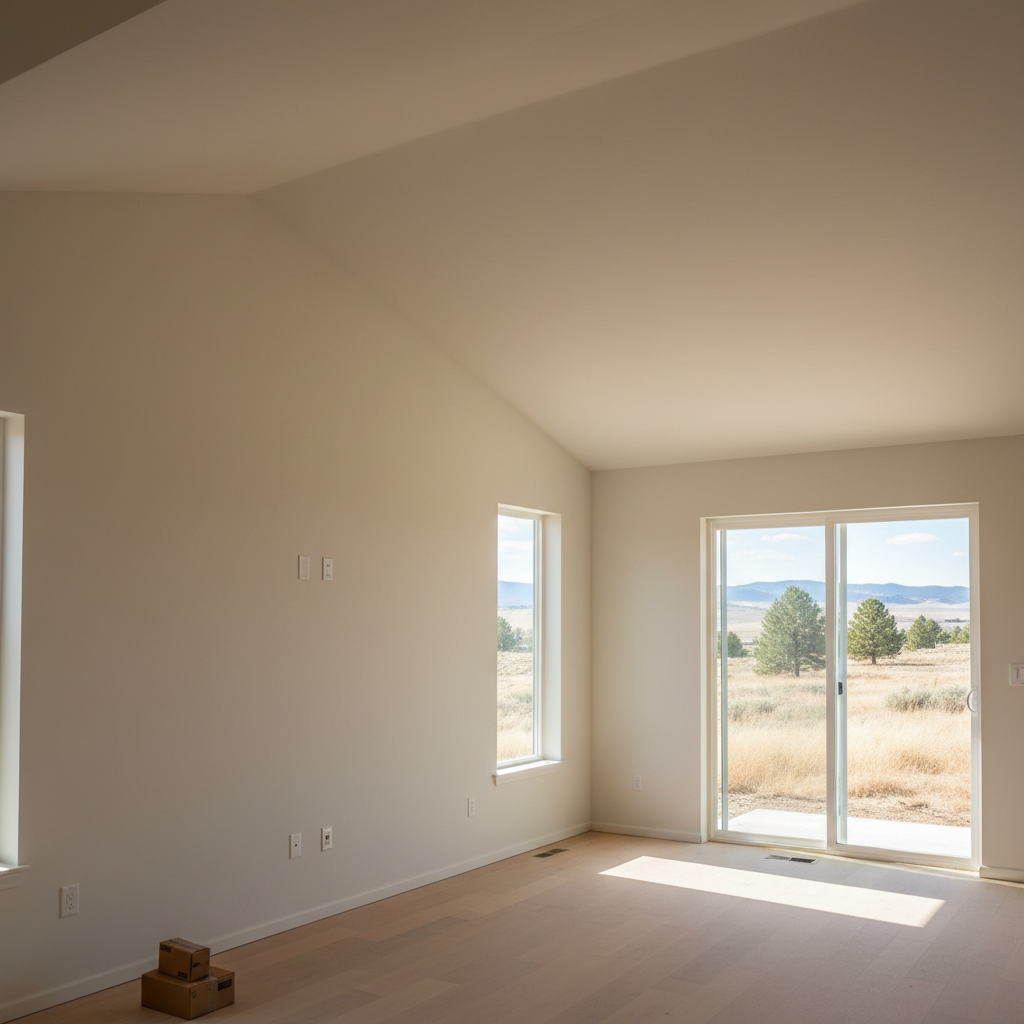
Ever walked into a freshly remodeled home in the North End and noticed the walls look wavy under the afternoon sun? That is usually the result of rushing a sheetrock installation or hiring the cheapest crew in Ada County. After years of running Boise Drywall Company, Boise Drywall Company has seen plenty of projects go sideways because homeowners did not know what to watch out for.
Boise Drywall Company wants to talk about how you can avoid those same regrets.
Going With the Lowest Bid Without Asking Questions
Everybody loves a deal. But when a contractor drops a quote that is hundreds or thousands lower than everyone else, you need to pause. Sheetrock is not just hanging boards and throwing some mud at the seams. It is a detailed process that requires patience, especially when dealing with our dry Treasure Valley climate that can crack fast-drying compounds.
If a bid looks too good to be true, it usually means they are cutting corners on materials, skipping the screw-setting step, or planning to slam up thin sheetrock that will sag in six months. Always ask what thickness they are hanging. For ceilings, you want half-inch sag-resistant or five-eighths rock, not the cheap stuff.
Ignoring the Timeline and Our Local Weather
People often forget that our weather plays a huge role in how drywall cures. If you are doing a basement finish in the middle of a freezing Boise winter or trying to dry mud during a humid spell in spring, things change. Mud needs the right temperature and airflow to cure properly. Crews that rush through taping and mudding without letting each coat dry completely will leave you with bubbling joints and cracked corners.
- Check if the crew runs dehumidifiers in unconditioned spaces.
- Make sure nobody is cranking portable propane heaters directly against fresh walls.
- Give the mud an extra day to cure if the house feels damp.
Failing to Verify Licensing and Insurance
It shocks Boise Drywall Company how many people hand over a deposit to a worker with a truck and a social media page without checking credentials. If an unlicensed worker drops a sheet of drywall on your hardwood floors or falls through your ceiling joists, guess who is liable? You are. Protect yourself by making sure anyone working on your house has proper Idaho registration and active liability insurance. A legitimate professional will happily hand over their license number before you even ask.
Not Protecting the Rest of Your House
Drywall dust is unlike any other dust. It is fine, it gets everywhere, and if you do not seal off the work area, you will be finding chalky white powder in your kitchen cabinets for the next three years. Before the first board goes up, talk to your crew about containment. ZipWall barriers and floor protection are not optional extras; they are standard practice for anyone who respects your home.
Take your time, vet your crew, and do not be afraid to ask hard questions before signing a contract. A little caution upfront goes a long way toward walls you will actually be proud of.