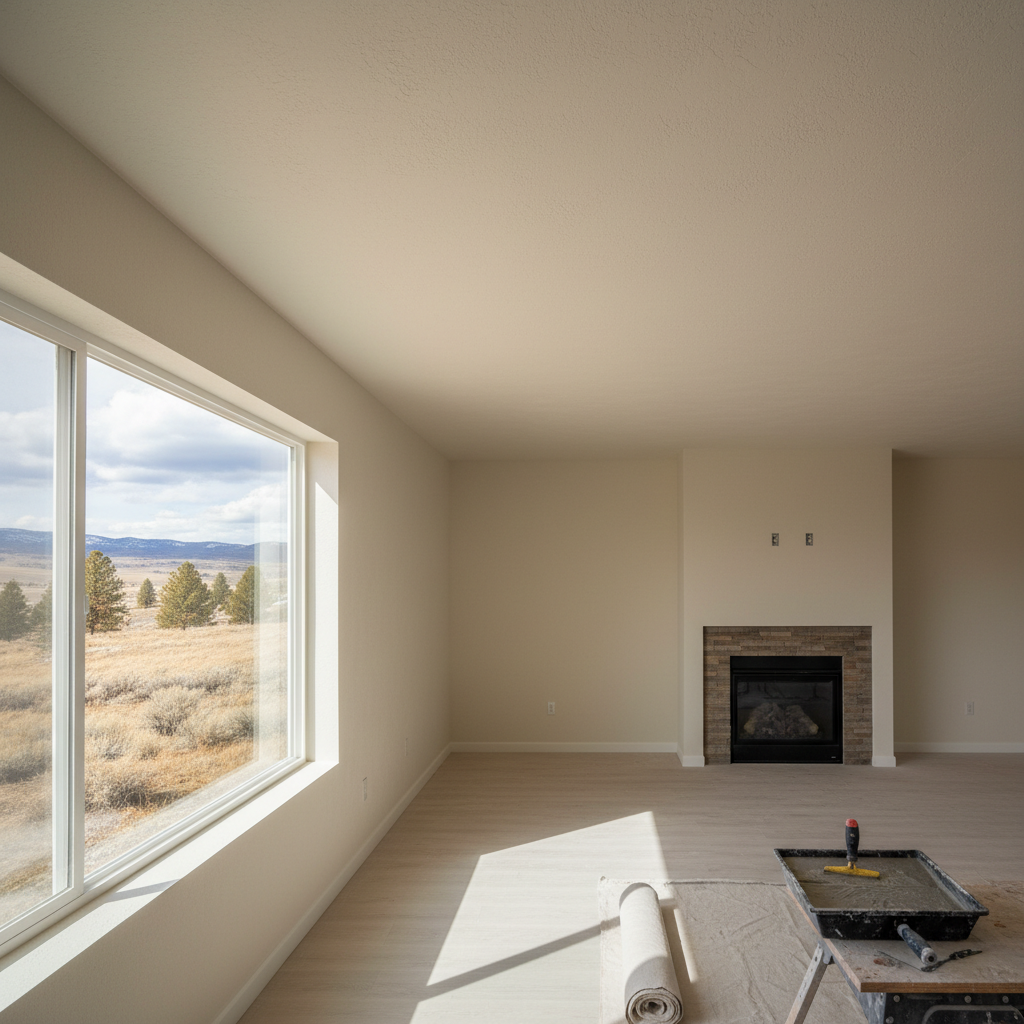
You’re looking at new drywall texture, maybe finishing a basement or updating some rooms. That’s great. But here in Boise, just slapping up mud and spraying isn’t always the best approach. The weather, believe it or not, has a huge say in how your texture turns out and how long it lasts.
Why Boise Weather Matters for Your Drywall Texture
I’ve been doing this for a long time, and one thing I’ve learned is that drywall mud and paint are sensitive to temperature and humidity. Boise has some pretty wild swings, right? We go from dry, hot summers to cold, sometimes damp winters. Those extremes can mess with the drying process, and that means problems for your texture.
If it dries too fast, it can crack or become brittle. Too slow, and you risk mold or a weak bond. It’s a balancing act, and it’s why timing your project right is so important.
The Best Times to Schedule Drywall Texturing in Boise
From my experience, the sweet spot for interior drywall texturing in Boise is usually spring and fall. Think late April through early June, and then again from September through October. Why then?
- Spring (April-June): The temperatures are moderate. We’re usually past the really cold, dry winter air, and not yet into the scorching, bone-dry summer. Humidity levels are generally more stable, which allows the mud to cure at a nice, even pace. This means fewer cracks and a stronger, more consistent finish.
- Fall (September-October): Similar to spring, the weather cools down, and the air isn't as dry as mid-summer. This provides another window where conditions are just right for proper drying and curing.
Now, can you do it in summer or winter? Sure, but it takes more work and can sometimes lead to more issues if you’re not careful. In summer, especially when it’s 100 degrees out and the AC is blasting super dry air, the mud wants to flash dry. You have to be really on top of it, sometimes even slowing down drying with humidifiers or careful ventilation. In winter, with the heat cranked, the air gets incredibly dry, which also speeds up drying too much. Plus, cold walls can make the mud cure unevenly. We can still do the job, but we'll take extra steps to control the environment.
Humidity: The Silent Killer (or Helper)
Humidity is a big deal. When the air is too dry, like during our typical Boise summer or a cold snap when your furnace is running constantly, the water in the drywall compound evaporates too quickly. This can cause the texture to crack, flake, or not bond properly to the surface. It’s like trying to bake a cake in a super-hot oven – the outside gets done, but the inside is still raw, or it just crumbles.
On the flip side, if it’s too humid, the mud takes forever to dry. This slows down the whole project, and in extreme cases, can even lead to mold growth if there isn’t enough airflow. This is less common in Boise’s generally dry climate, but it’s something to watch out for if you’re working in a basement or an area with poor ventilation.
Protecting Your Drywall Investment Year-Round
Once your texture is done and painted, you still need to think about keeping it in good shape. It’s not just about the initial application; it’s about maintaining your home’s interior environment.
- Maintain Consistent Indoor Temperatures: Avoid drastic temperature swings. If you leave your house for a week in winter, don’t turn the heat off completely. Keep it at a reasonable temperature to prevent the walls from getting too cold and then rapidly heating up. This expansion and contraction can lead to hairline cracks over time.
- Manage Humidity: In our dry climate, especially in winter, a whole-house humidifier can be a real asset. It’s not just good for your drywall; it’s good for your wood floors, furniture, and even your sinuses. Aim for around 30-50% relative humidity indoors. In summer, if you have a damp basement, a dehumidifier might be necessary to prevent issues.
- Address Leaks Immediately: This one’s a no-brainer. Any water leak, whether from a roof, plumbing, or window, needs to be fixed ASAP. Water damage to drywall is a pain and can ruin texture and even lead to bigger structural problems. Even a small leak can cause bubbling, staining, and mold.
- Good Ventilation: Make sure your home is properly ventilated, especially in areas like bathrooms and kitchens. This helps control humidity and prevents moisture buildup that can affect drywall.
Look, getting your drywall texture right isn’t just about making it look good on day one. It’s about making sure it lasts and stands up to our unique Boise climate. By understanding how the weather impacts the process and taking a few simple steps to protect your home, you’ll keep your walls looking great for years to come. If you’re planning a project and want to talk through the best timing, give Boise Drywall Company a call. We’re always happy to share what we know.