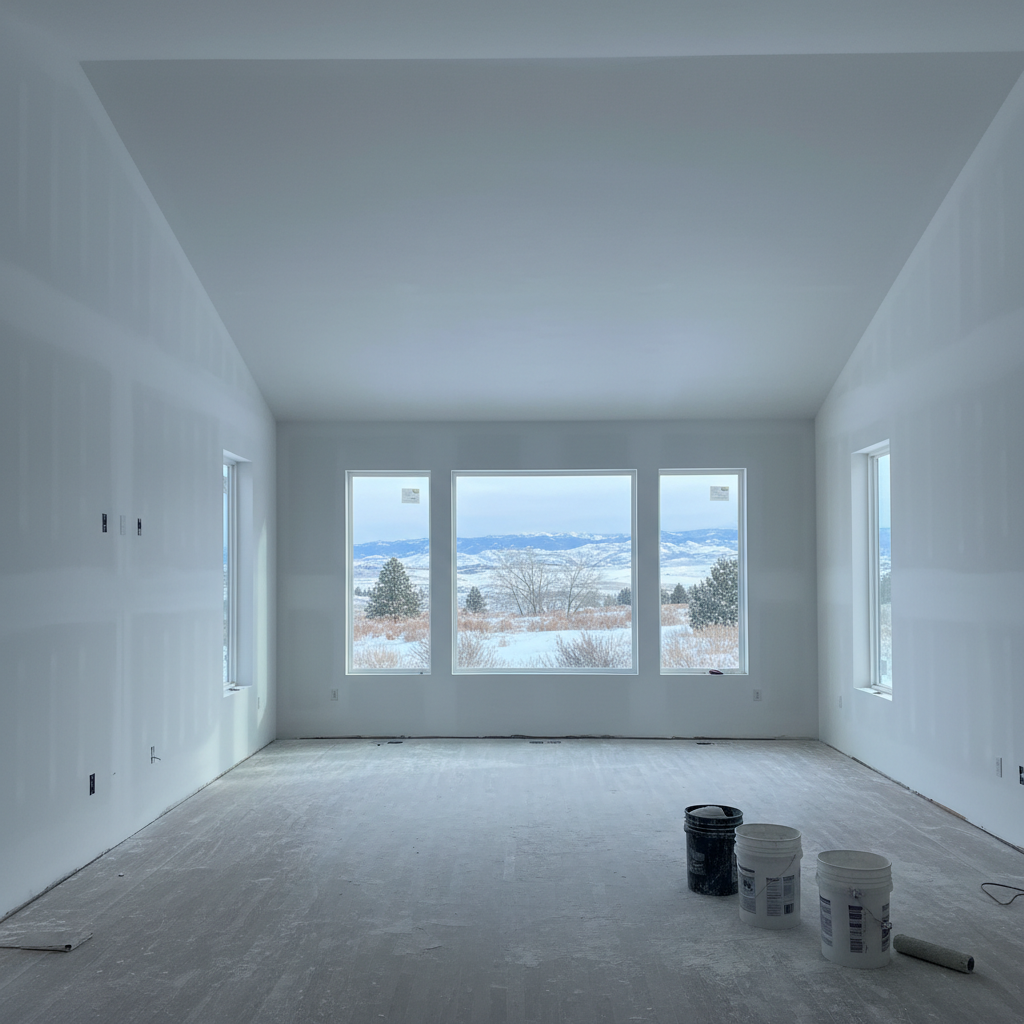
When should you prime your drywall? It’s not just about slapping on a coat of primer when the mud’s dry. Especially here in Boise, with our wild temperature swings and dry air, timing your drywall priming and painting can make a huge difference in how long your walls look good.
Why Priming Matters More Than You Think
Look, I’ve been doing drywall for a long time, and I’ve seen plenty of shortcuts. One of the most common mistakes homeowners make, or even some less experienced crews, is rushing the priming step. But primer isn't just cheap white paint. It’s a crucial barrier that seals the drywall and mud, creating a uniform surface for your paint.
Without proper priming, especially with the right type of primer, you’re going to run into problems. You’ll see flashing, where some areas look dull and others shiny. You’ll get uneven color. And worst of all, your paint won’t stick as well, meaning it’ll chip or peel sooner. It’s like building a house without a foundation – it just won’t last.
Boise's Climate: Your Drywall's Best Friend and Worst Enemy
Our local climate is a big deal when it comes to drywall. We get those hot, dry summers and cold, often damp (or at least very dry inside with the heater blasting) winters. These conditions directly impact how drywall mud dries and how primer cures.
Summer Heat: In July and August, when it’s 90+ degrees outside and often just as hot inside a non-air-conditioned house, things dry fast. Too fast, sometimes. If your mud dries too quickly, it can crack. If you prime too soon after mudding in these conditions, the mud might still be curing internally, leading to issues later on. You need to make sure the humidity isn't too low, either, or you'll have issues with the primer flashing.
Winter Chill: Then there’s winter. We get those cold snaps, sometimes down to single digits. If you’re working in an unheated space, or even one that’s just barely heated, the mud takes forever to dry. And primer? It won’t cure properly in cold temperatures. You’ll end up with a weak film that doesn't seal anything. I’ve seen jobs in North End homes where folks tried to rush things in January, and the paint just didn’t adhere right.
The Ideal Conditions for Priming Drywall
The sweet spot for drywall priming is usually between 60-80°F (15-27°C) with moderate humidity, around 30-50%. These aren't just arbitrary numbers; they’re the conditions that allow the mud to dry completely and the primer to cure to its full strength.
Here’s what I tell my clients:
- Temperature is Key: Keep the indoor temperature stable. If you’re building new or renovating, make sure the HVAC system is running, or use temporary heaters and AC units to maintain that ideal range. Don't just heat the room for an hour before you start; keep it consistent for days.
- Humidity Control: In summer, if it’s super dry, you might even need a humidifier to bring the humidity up a bit, especially if you’re doing a large area. In winter, if you're running heaters constantly, the air can get bone dry, so again, a humidifier helps. Too much humidity, though, and things won't dry. It’s a balancing act.
- Airflow, Not Drafts: You want good air circulation to help with drying, but not direct drafts that can cause mud to dry unevenly or too fast. Open a window slightly, or use a fan pointed away from the wall to gently move air.
When to Schedule Your Drywall Priming
Given Boise’s climate, here’s my general advice for scheduling:
- Spring and Fall are Your Best Bets: April-May and September-October often offer the most stable, moderate temperatures and humidity levels. If you can schedule your major drywall work during these months, you're setting yourself up for success.
- Summer: It’s doable, but you need to be extra vigilant about temperature and humidity control. Run your AC, and maybe even a humidifier if the air is exceptionally dry. Don't try to prime in the middle of a heatwave without proper climate control.
- Winter: This is the trickiest time. If you’re working in an unheated garage or new construction without a functioning furnace, you’re going to have a bad time. You MUST have consistent heat. This means running your furnace, or using propane or electric heaters to keep the space warm around the clock, not just when you’re working.
At Boise Drywall Company, we always factor in the season and local conditions when we’re planning a job. We know that skipping steps or ignoring the weather means callbacks and unhappy customers, and that’s not how we operate.
Protecting Your Investment Year-Round
Once your drywall is primed and painted, it’s not just set it and forget it. Ongoing climate control in your home helps protect that finish. Extreme temperature swings inside your house can still cause minor expansion and contraction, leading to hairline cracks over time. Keep your thermostat relatively consistent, especially between seasons.
Also, watch out for high moisture areas like bathrooms. Always use a good quality primer designed for high-humidity areas, and make sure your exhaust fan is working. That’s just common sense, but it’s amazing how often I see issues from folks not running their fans after a shower.
Bottom line: don't underestimate the power of proper timing and environmental control when it comes to drywall priming. It’s a small extra effort that pays off big time in the longevity and appearance of your walls. If you’ve got questions about your specific project here in the Treasure Valley, give us a call. We’re always happy to share what we know.