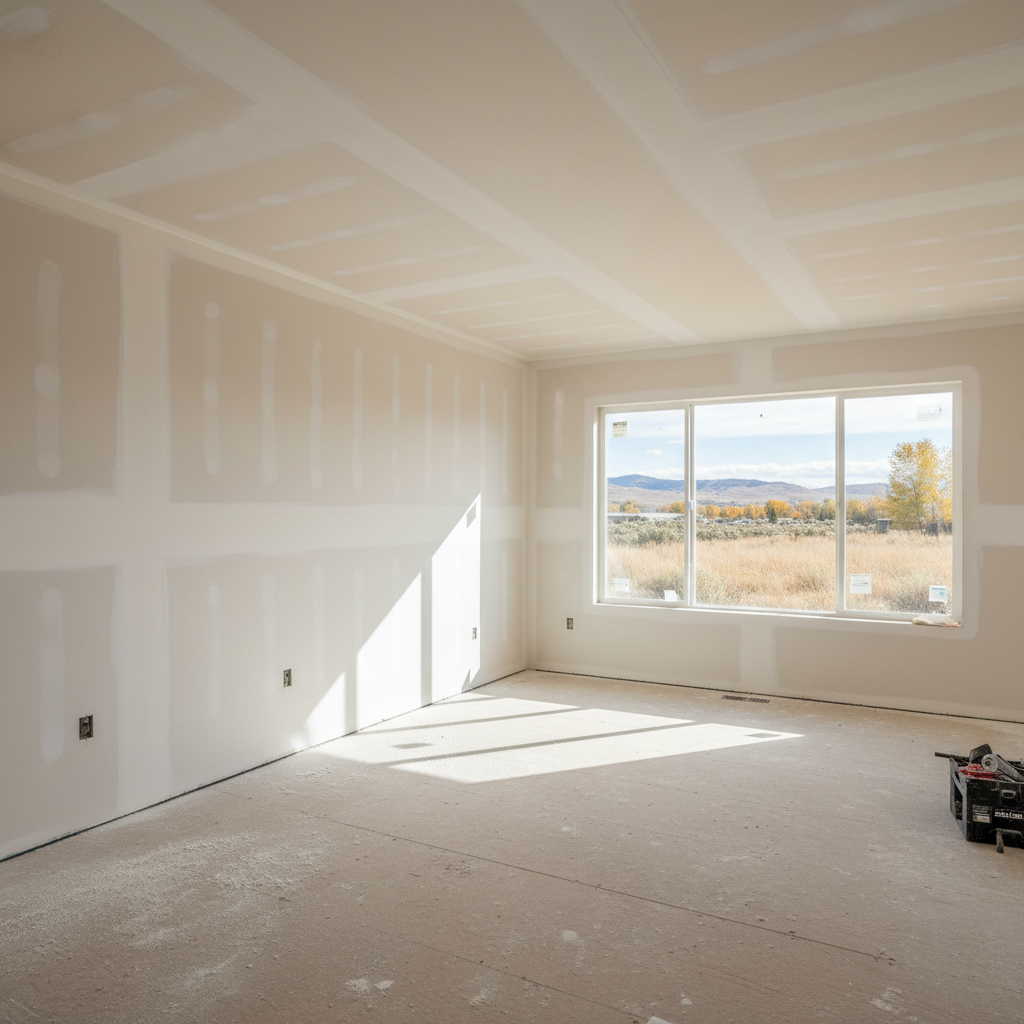
So, you've just put in new drywall, whether it's for a whole house or just a patch after some plumbing went sideways. What's next? You might think once it's up and painted, you're all set. But if you really want that work to last, especially here in Boise where our seasons can get a little wild, there are a few things you should know. I've seen plenty of homes around the North End and out in Eagle where a bit of proactive care could've saved folks a ton of hassle and money down the road.
Want Your Drywall to Last Longer? It's Easier Than You'd Think
The biggest thing you can do for your drywall's longevity is to control its environment. Sounds a bit fancy, right? Really, it just means keeping your home's temperature and humidity steady. Our dry Boise summers and cold winters mean your house is constantly expanding and shrinking. That's why you sometimes spot those hairline cracks, especially near doorframes or windows. Keeping your thermostat consistent – not letting your house get super cold in winter or baking hot in summer – genuinely helps. A humidifier in the winter can also be a lifesaver. When the air gets too dry, wood framing can shrink, pulling on the drywall and causing those little stress cracks. Just don't overdo it; too much humidity brings its own set of problems.
Another big one? Protect it from bumps and knocks. We all live in our homes, after all. Kids play, furniture gets moved, things get dropped. A little corner bead protection in high-traffic areas, or even just being careful when you're dragging that new couch across the living room, goes a long way. Think about where you're most likely to ding a wall – entryways, hallways, around doorframes. A little foresight can save you a patch job later.
"Regular Maintenance": What Does That Even Mean?
Drywall maintenance isn't like changing your car's oil; it's more about simply looking things over. You won't be sanding and painting every month, thankfully. What I suggest is a quick visual check-in a few times a year. Walk through your house, especially after a big seasonal change. Look at the corners, around windows, and where walls meet the ceiling. See any new cracks? Any signs of moisture? Catching a small issue early is absolutely key.
Dusting your walls and ceilings is also a good habit. Dust can settle into textured surfaces and make them look dingy over time. For painted walls, a soft cloth or a vacuum with a brush attachment works wonders. If you have any scuffs or marks, try a magic eraser or a damp cloth with a tiny bit of mild soap. Just test it in an inconspicuous spot first, you know, to make sure it doesn't mess with your paint finish. For bigger scuffs, a quick touch-up with leftover paint usually does the trick.
Warning Signs: Don't Ignore These
Alright, so you're doing your walk-throughs. What exactly should you be looking for? Here's what should make you pause:
- New or Growing Cracks: A tiny hairline crack might just be normal settling. But if it's getting wider, longer, or if you see several cracks forming in one specific area, that's a red flag. It could point to structural movement or even a foundation issue.
- Discoloration or Stains: Yellow, brown, or dark spots on your drywall almost always mean water. Don't just paint over it! Find the source of the leak first. It could be a leaky pipe, a roof problem, or even just condensation.
- Soft or Spongy Spots: If you press on a wall and it feels soft or gives way, that's water damage. The drywall has absorbed moisture, and its integrity is compromised.
- Bubbling or Peeling Paint/Tape: This often points to moisture getting behind the paint or tape, causing it to lose adhesion. Again, look for a water source.
- Mold or Mildew: Any fuzzy, discolored growth on your walls is a serious health concern and a sign of persistent moisture. Don't mess with it yourself; call a pro.
- Sagging Ceilings: This is a big one. If your ceiling looks like it's bowing or dipping, especially in the middle, it could be water damage or a structural problem. Get it checked out immediately.
When to Call a Professional
Look, I'm a big believer in DIY when it makes sense. But some things are just better left to the pros. If you see any of those serious warning signs – significant cracks, water stains, soft spots, mold, or sagging ceilings – don't hesitate. You might be dealing with a hidden leak, structural damage, or even a foundation problem, and those aren't things you want to guess about. Trying to fix them yourself without addressing the root cause is just putting a band-aid on a bigger problem.
Even for smaller issues, if you're not comfortable or don't have the right tools, that's when you call someone like Boise Drywall Company. We've got the experience to diagnose the problem correctly and fix it right the first time. Sometimes, a small patch job can turn into a big headache if you don't know what you're doing. We're here to help you keep your walls looking great and your home sound, so you can enjoy living in it without worrying about what's going on behind the paint.