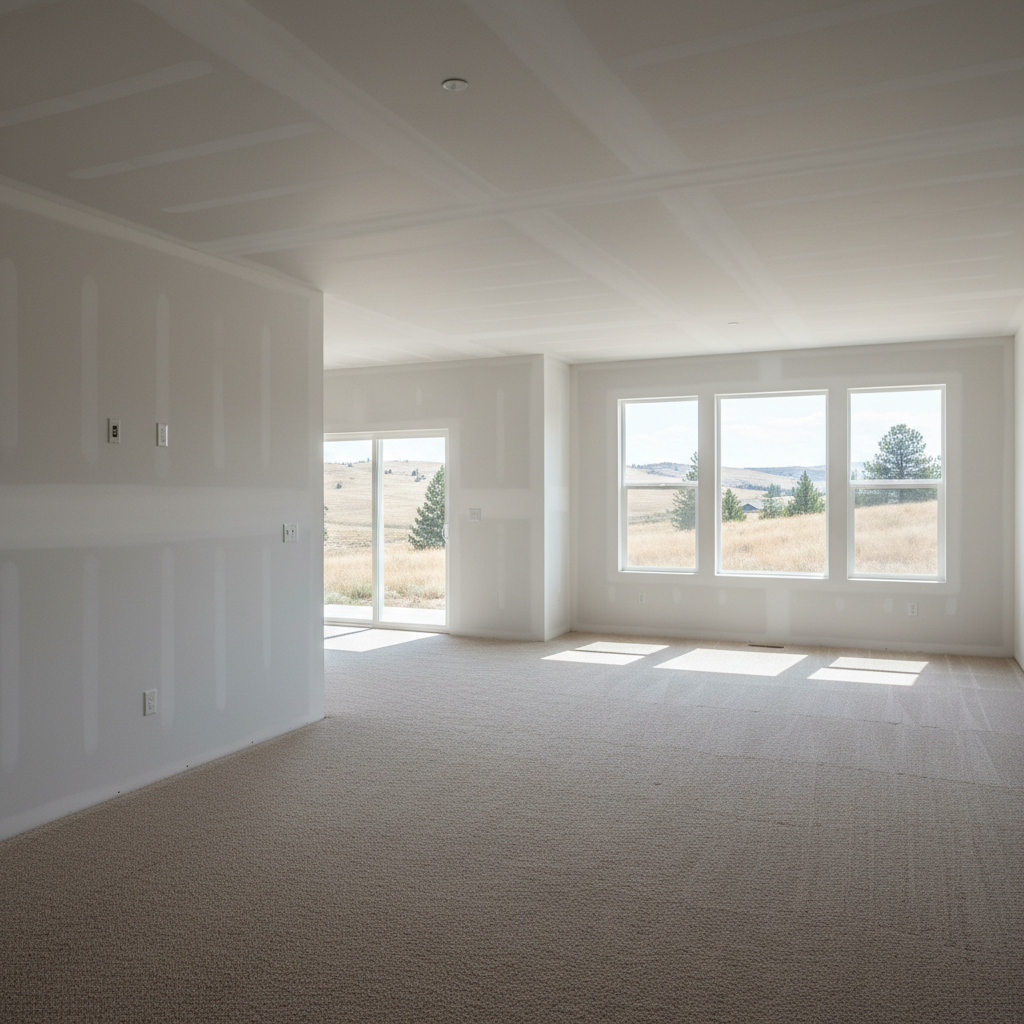
Your drywall isn't just there to look nice; it's actually the backbone of your home's inside. You might figure once it's up and painted, you're all set. But just like anything else in your house, a little bit of care can really change how long it lasts and how good it looks. Especially here in Boise, with our dry summers and those cold, sometimes damp winters, your drywall really does face some unique challenges.
Making Your Drywall Last Longer
The best way to get your drywall to last is to treat it right from the very beginning. Good installation is key, obviously, and that's where a company like Boise Drywall Company comes in. But even after it's installed, there are still things you can do.
- Control Humidity: This is a big one, especially in a place like Boise where the humidity can swing all over the place. Too much humidity, and you're asking for mold and mildew, particularly in bathrooms or basements. Too little, and your drywall can dry out, which often leads to cracks. Try to keep your indoor humidity level steady, usually somewhere between 30-50%. A simple hygrometer can help you keep an eye on this, you know?
- Protect from Impacts: Sounds pretty obvious, right? But just think about those high-traffic areas. Kids playing, moving furniture around, even pets can ding up your walls. Maybe consider adding corner beads in busy hallways or mudrooms. Use wall protectors behind doorknobs. It's way easier to stop a hole from happening than to patch one up.
- Paint It Right: A good quality paint job isn't just about how it looks; it actually adds a protective layer. Make sure your walls get primed correctly before painting, especially if it's new drywall or areas you've patched. This helps the paint stick better and gives you a more durable finish.
- Watch Your HVAC: Drafts from windows that aren't sealed well, or vents blowing right onto a wall, can cause temperature changes that stress the drywall. That can lead to cracking over time. So, make sure your home is insulated and sealed up properly.
Regular Drywall Maintenance: What to Keep an Eye On
You don't need to go over your walls with a magnifying glass every single day, but a quick look now and then can catch small issues before they turn into real headaches.
- Dusting and Cleaning: Just like any other surface, drywall gathers dust. A soft cloth or a vacuum with a brush attachment works wonders. For smudges or light marks, a damp (not soaking wet!) sponge with a little mild soap usually does the trick. Always test it in a hidden spot first, just to be safe.
- Check for Cracks: Small hairline cracks are pretty common, especially around windows, doors, or ceiling corners. These often happen from normal house settling. Keep an eye on them. If they get bigger, or if you start seeing new ones pop up fast, well, that's a different story.
- Inspect for Water Stains: This is super important. Any discoloration, particularly yellowish or brownish stains, usually means water is getting in somewhere. Don't just paint over it! You need to find the source of the leak first. It could be a leaky roof, a plumbing issue, or even just condensation.
- Look for Nail Pops: These are those tiny bumps where a screw or nail head pushes through the joint compound and paint. They're common as wood framing expands and contracts. Often, you can fix these yourself with a quick patch and a bit of repaint.
Warning Signs of Bigger Problems
Some issues are more than just cosmetic. If you spot any of these, it's definitely time to get a professional opinion.
- Large, Spreading Cracks: A crack that's wider than a quarter-inch, or one that goes horizontally across a wall or ceiling, could mean there's structural movement. This isn't just a drywall problem; it might be a foundation issue.
- Soft or Sagging Drywall: If your drywall feels soft when you touch it, or if you notice areas that are visibly sagging, it's almost certainly water damage. This means the gypsum core is getting wet and losing its strength. You'll often see paint bubbling or peeling in these spots too.
- Mold or Mildew Growth: Black, green, or fuzzy spots on your drywall are a clear sign of mold. This needs to be dealt with right away, not just for the drywall, but for your health. It means there's a moisture problem that needs fixing.
- Repeated Nail Pops or Cracks in the Same Spot: If you keep patching the same spot and the problem just comes back, there's an underlying issue. It could be framing movement or a persistent moisture problem that needs a closer look.
- Drywall that feels cold or damp to the touch: This often points to condensation problems, especially in basements or rooms with poor ventilation.
When to Call a Professional
Look, I'm a drywall guy. I know people try to DIY a lot of stuff, and sometimes it actually works out. But there are times when you really, truly need to call in the pros.
- Extensive Water Damage: If you've got a big section of drywall that's been soaked, or if the damage has been there for a while, you're looking at more than just a patch job. You might need to cut out and replace whole sections, and you absolutely need to make sure the underlying structure is dry and free of mold.
- Structural Concerns: As I mentioned, those large cracks or sagging can point to bigger issues. A professional can figure out if it's just a drywall problem or if you need to bring in a structural engineer.
- Mold Remediation: If you've got a lot of mold growth, especially if it's spread beyond a small area you can easily clean, you need a mold remediation specialist. Drywall is porous, you see, and mold can get deep into it.
- Large Holes or Damage: While you can patch small holes yourself, anything bigger than a fist-sized hole can be tough to get right, especially if you want it to look totally seamless. We've got the tools and the know-how to make it look like nothing ever happened.
- Persistent Issues: If you've tried to fix a problem yourself and it just keeps coming back, don't keep banging your head against the wall. It probably means there's something you're missing, and a professional can diagnose and fix it correctly.
Taking care of your drywall isn't rocket science, but it does mean paying attention. A little bit of proactive maintenance can save you a ton of headaches and money down the road. Keep an eye on those walls, especially with our Boise weather, and don't hesitate to give Boise Drywall Company a call if you're ever in doubt.