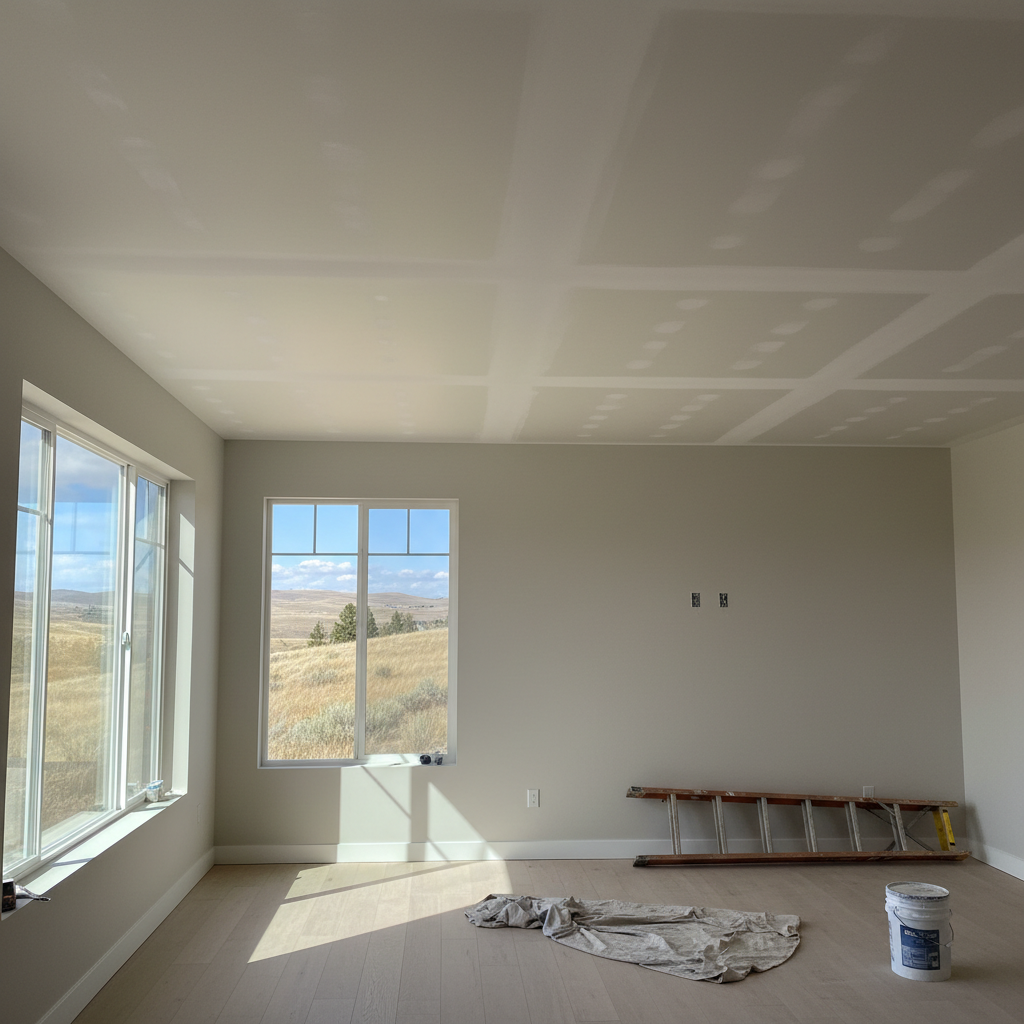
Ever looked up at your ceiling and thought, "Wow, that's just... there"? Most folks don't give their ceiling drywall a second thought after it's installed, but trust me, a little attention goes a long way. As a contractor who's seen it all across Boise, from the older homes in the North End to the newer builds out in Meridian, I can tell you that proper care for your ceiling drywall isn't just about how it looks; it's about protecting your investment and preventing bigger, more expensive problems down the line.
Extending Your Ceiling Drywall's Life
So, you've got a beautifully finished ceiling. How do you keep it that way for years? It's not rocket science, but it does involve a few key practices. First off, climate control is huge, especially here in Idaho. Our dry summers and cold winters mean your home's humidity levels can swing wildly. Too much humidity can lead to moisture issues, while too little can cause wood framing to shrink. That shrinking can potentially lead to hairline cracks in your drywall seams. Aim for a consistent indoor humidity level, ideally between 30-50%. A good humidifier in the winter and proper ventilation in the summer can make a real difference, honestly.
Another big one is avoiding direct impacts. I know, sounds obvious, but you'd be surprised what I've seen. Moving furniture, kids playing indoors, even clumsy ladder work can ding or dent your ceiling. Be mindful when you're working overhead or rearranging things. If you're hanging anything heavy from the ceiling, make sure it's properly anchored into a joist, not just the drywall itself. Drywall just isn't designed to bear significant weight.
Finally, good paint matters. A quality paint job, done right, provides a protective layer. It helps seal the surface, making it easier to clean and more resistant to minor moisture fluctuations. Don't skimp on paint, and make sure the surface is clean and primed before you apply it.
Regular Maintenance: Your Ceiling's Best Friend
Maintenance for ceiling drywall isn't an everyday chore, but it should definitely be on your radar. I tell my clients to do a quick visual check every few months, and a more thorough one annually. Here's what that looks like:
- Dusting: Yeah, ceilings get dusty too. Use a soft, extendable duster or a vacuum cleaner with a brush attachment. This prevents dust buildup from becoming a grimy mess that's harder to clean later.
- Spot Cleaning: For minor marks or cobwebs, a soft, damp (not soaking wet!) cloth can work wonders. Use a mild, non-abrasive cleaner if needed, but always test it in an inconspicuous spot first. Avoid harsh chemicals that can damage paint or drywall.
- Ventilation Checks: Especially in bathrooms and kitchens, make sure your exhaust fans are working properly. These areas are prime spots for moisture buildup, which is the enemy of drywall. Clean the fan grilles regularly to ensure good airflow.
- Attic Inspection: If you have an attic above your ceiling, take a peek once a year. Look for any signs of leaks from the roof, condensation on the underside of the roof sheathing, or pest activity. Catching issues early here can prevent major ceiling damage.
Warning Signs: What to Look For
Your ceiling will usually tell you when something's wrong, if you know how to listen. Don't ignore these signals:
- Discoloration or Stains: Yellow, brown, or dark spots are almost always a sign of water. This could be a leaky roof, a plumbing issue upstairs, or condensation. Don't just paint over it; find the source.
- Cracks: Small hairline cracks along seams can be normal with house settling, especially with our temperature swings. But wide, spreading, or spiderweb cracks — especially those that reappear after patching — can indicate structural movement.
- Sagging or Bulges: If your ceiling looks like it's drooping or has an unusual bulge, that's a serious red flag. This often points to significant water damage, or sometimes even structural issues where the drywall is detaching from the joists.
- Peeling Paint or Texture: While sometimes just an old paint job, peeling can also be a sign of moisture trapped behind the paint, pushing it away from the drywall surface.
- Mold or Mildew: Any fuzzy or discolored growth is a clear indicator of persistent moisture. This isn't just bad for your drywall; it's a health concern.
When to Call a Professional
Look, I'm all for DIY, but some things are best left to the pros. You should definitely call someone like Boise Drywall Company if you see:
- Active Leaks: If water is dripping or actively staining your ceiling, you need a plumber or roofer first, then a drywall professional for repairs.
- Large or Spreading Cracks: Especially if they're accompanied by other signs of structural movement. This might require more than just a patch job.
- Significant Sagging or Bulges: This isn't just cosmetic; it could be a safety issue. Don't try to fix this yourself; you need an expert to assess the cause and safely repair it.
- Extensive Water Damage: If a large section of your ceiling is water-damaged, it's often more cost-effective and safer to have a professional replace the affected panels to ensure proper structural integrity and prevent mold.
- Persistent Mold Issues: If you've cleaned mold and it keeps coming back, or if the affected area is large, you need professional mold remediation and then drywall repair.
Ignoring these warning signs won't make them go away; it'll just make the problem bigger and more expensive. A little proactive care and knowing when to call in the cavalry will keep your ceilings looking good and your home sound for years to come.